Our process
From the assessment to the follow-up — here's exactly what expect.
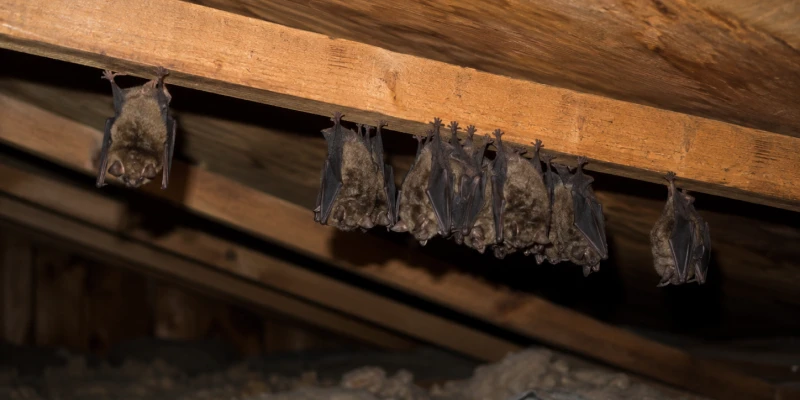
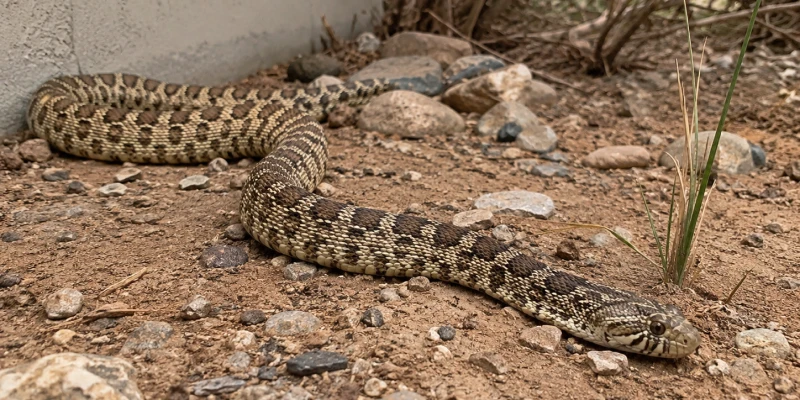
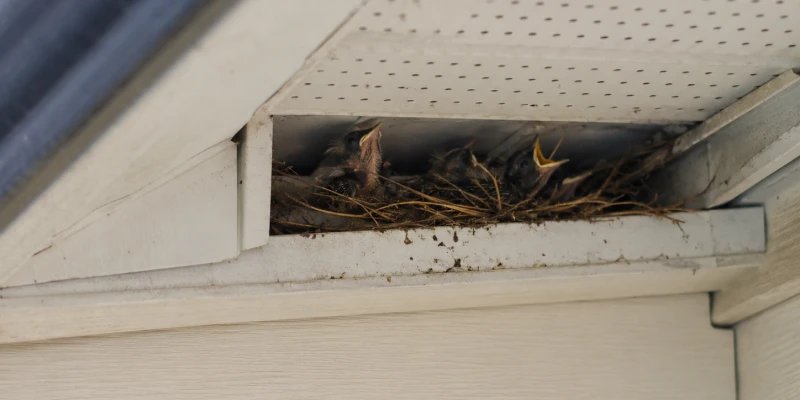
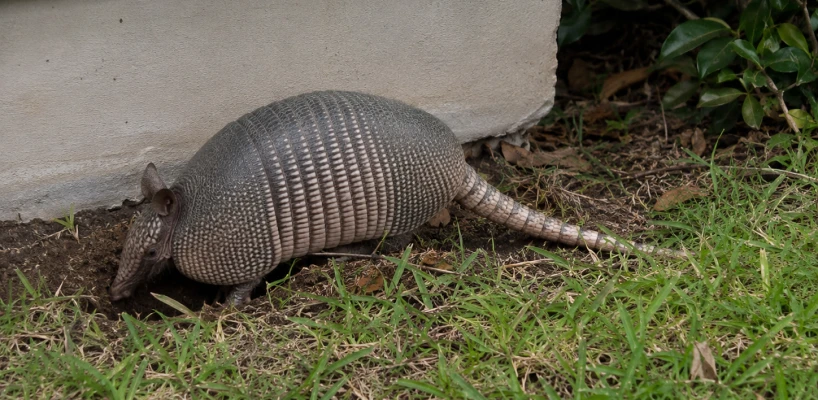
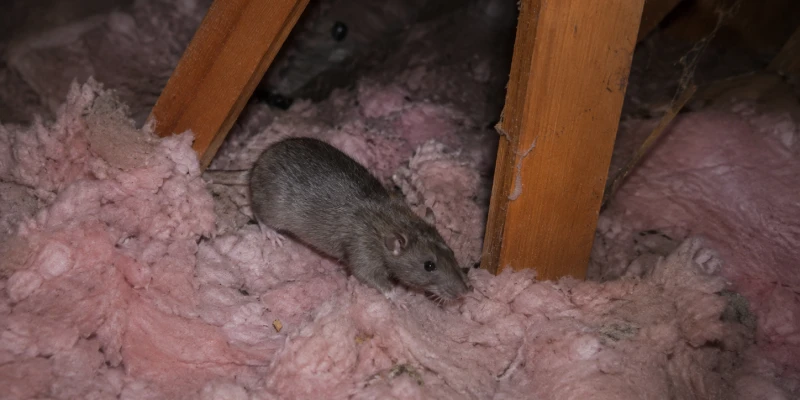
We inspect the structure — interior and exterior — to identify the animal, locate entry points, assess the extent of damage, and determine what removal, exclusion, and cleanup is needed. You get a clear picture of the situation and the scope of work before anything starts.
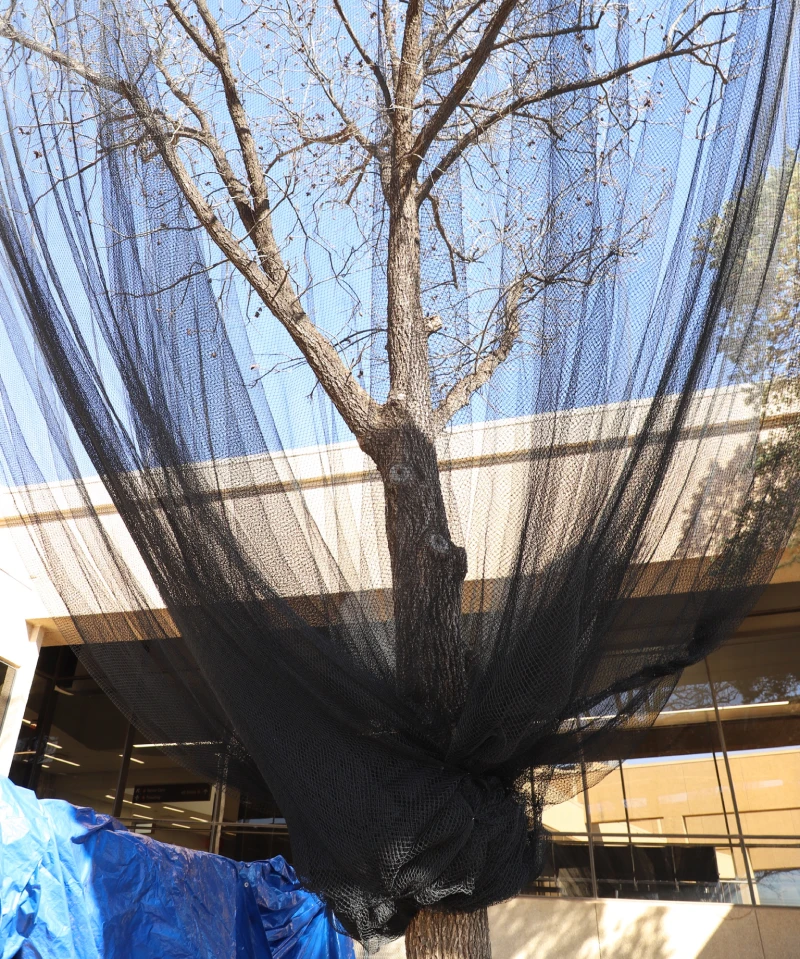
Depending on the species and situation, removal may involve live trapping and relocation, one-way exclusion devices that allow the animal to exit but not re-enter, or direct removal. We use appropriate methods for each situation and comply with applicable regulations for protected species.
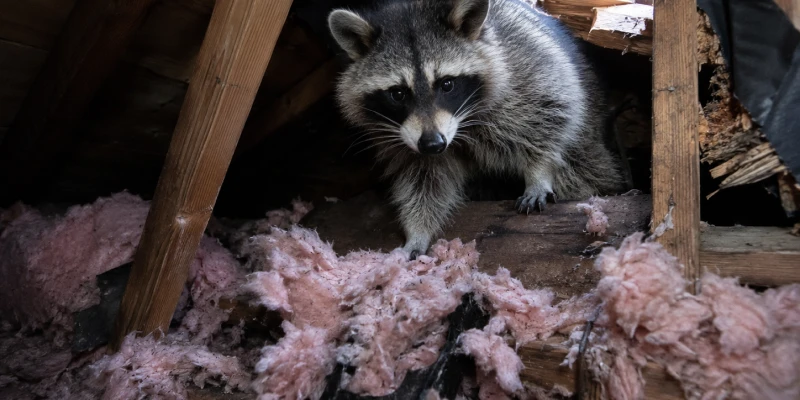
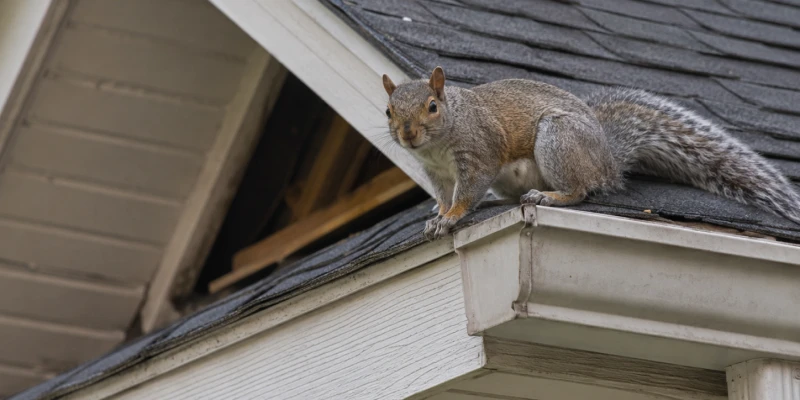
Every identified entry point is sealed with materials appropriate to the location and the animal. High-traffic entry points used by larger animals get reinforced treatment — raccoons and squirrels will test repairs.
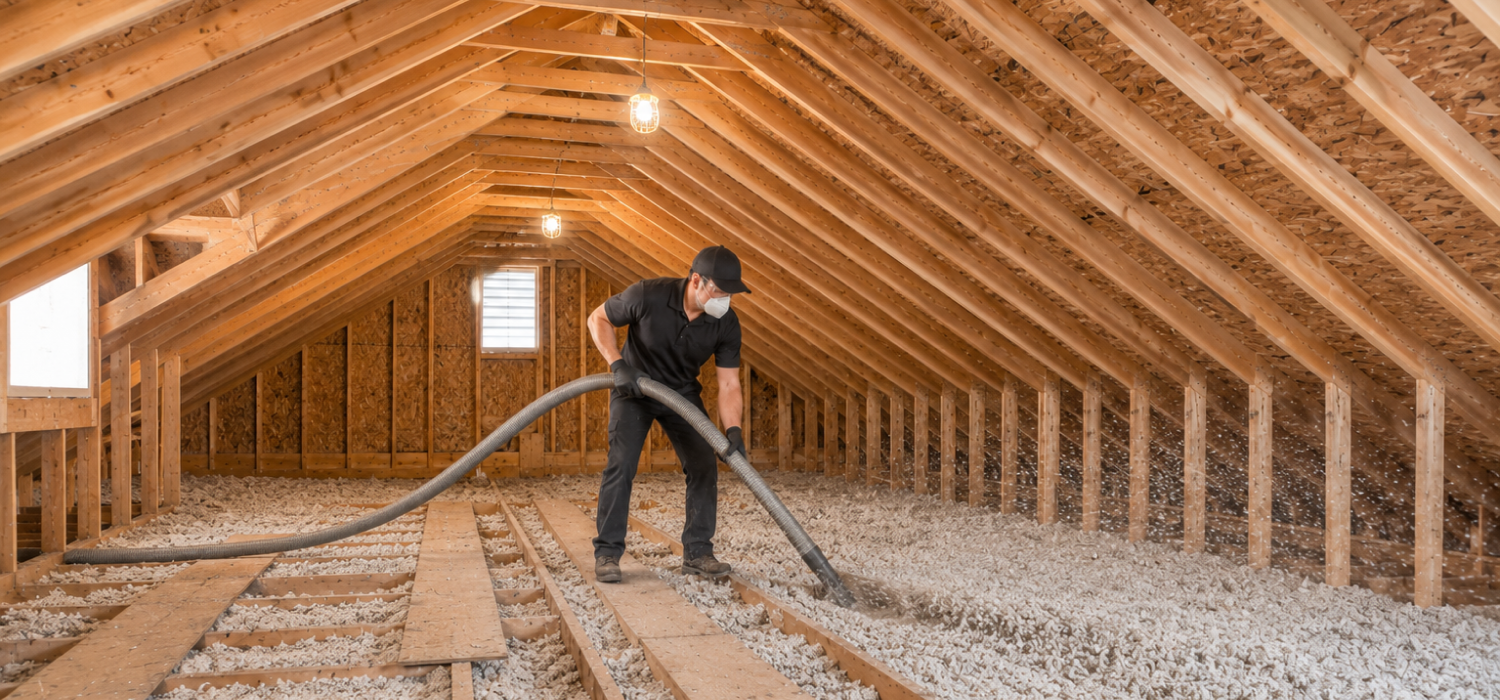
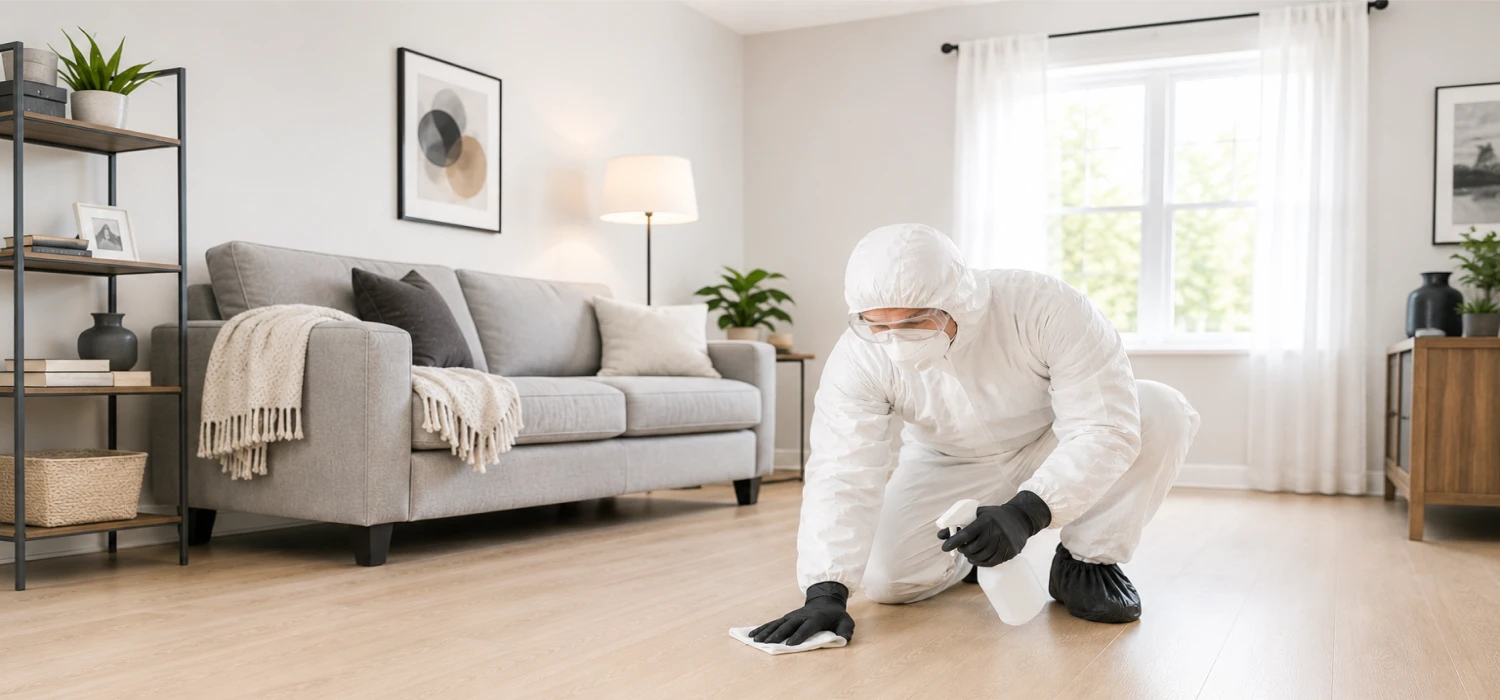
We assess what the animal left behind — damaged insulation, contaminated materials, chewed wiring, structural damage — and advise on what needs to be addressed. Situations involving significant insulation contamination are coordinated with our insulation removal team. Bat guano and large accumulations of animal waste are coordinated with our biohazard cleanup team.
We follow up to confirm the animal hasn't found a new entry point and that the exclusion is being held.
Connected Services
Wildlife calls often lead here.
A wildlife intrusion is sometimes just a removal and sealing job. Other times it's the beginning of a larger project. We connect directly to the Carpet Tech family of services for situations that go beyond standard wildlife removal:
Insulation Removal
Biohazard Cleanup
CT Construction