



Sealer Types
Not all sealers are the same. We match the product to the surface.
Penetrating Sealer
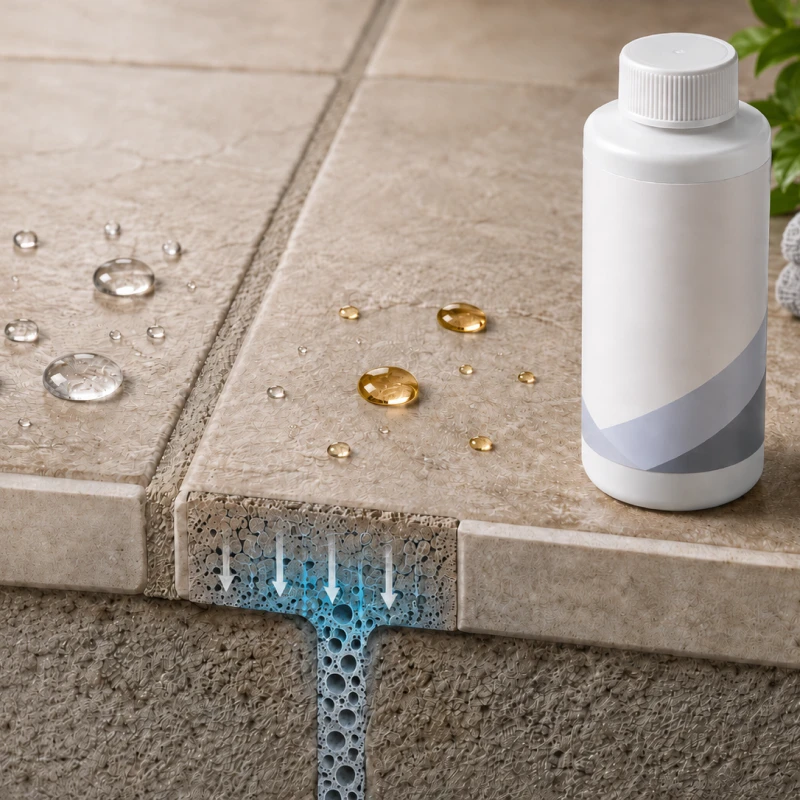
Topical Sealer
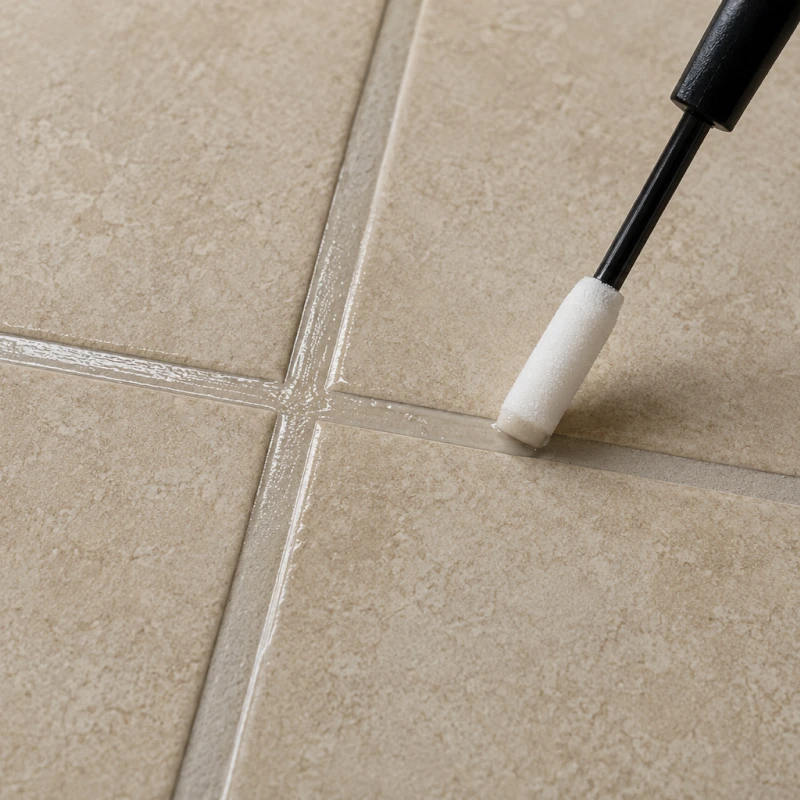
Color-Enhancing Sealer
Need to Clean First?
Sealing dirty grout locks the dirt in.
Sealer works by filling the pores of the grout or stone. If those pores already contain dirt, soap scum, bacteria, or staining — which is the case for most floors that haven't been professionally cleaned recently — sealing over them traps that contamination below the surface where it can't be removed.
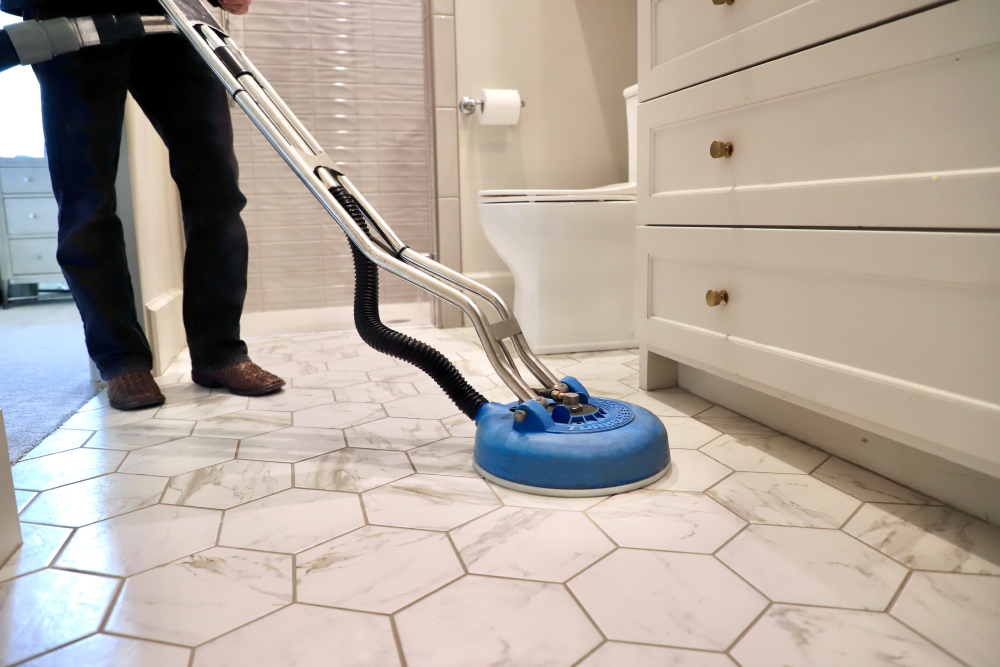
For sealing to work as intended, the grout needs to be clean first. That's why we always seal after a professional cleaning, and why we assess the condition of the grout before agreeing to seal a floor that comes in for sealing alone.
If your tile and grout needs cleaning before it can be sealed, we do that too — and can handle both in a single visit.
Our process
From assessment to sealed floor — here's exactly what to expect.
We assess the grout and tile type, condition, and any existing staining or damage. We confirm whether the surface is clean enough to seal or whether cleaning is needed first.
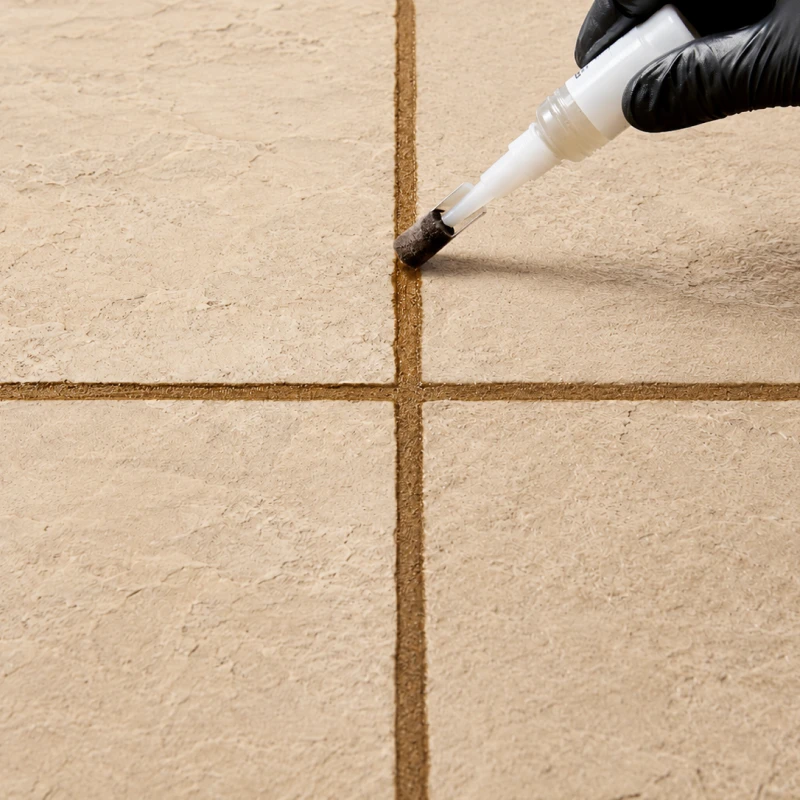
The grout lines are confirmed clean and dry before any sealer is applied. Sealer applied to damp grout doesn't penetrate or bond correctly.
The appropriate sealer is applied to the grout lines — and to the tile surface itself for natural stone. We work methodically to ensure complete coverage without pooling on the tile face.
The sealer is allowed to penetrate for the appropriate dwell time, then excess sealer is wiped from the tile face before it cures. Sealer left on glazed tile surfaces creates a hazy film.
The sealed floor needs time to cure before water contact — typically 24 to 48 hours for full effectiveness. We'll give you the specific timeline for the product used.
We walk the floor with you before we leave and answer any questions about maintenance going forward.