
What Fire Damage Restoration Covers
Fire restoration is a multi-phase process. Here is what it includes.
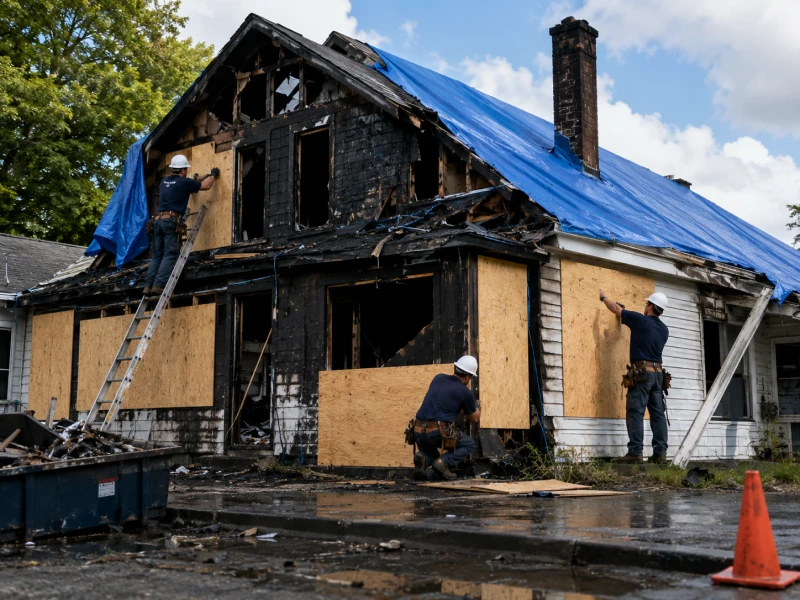
Emergency Board-Up & Tarping
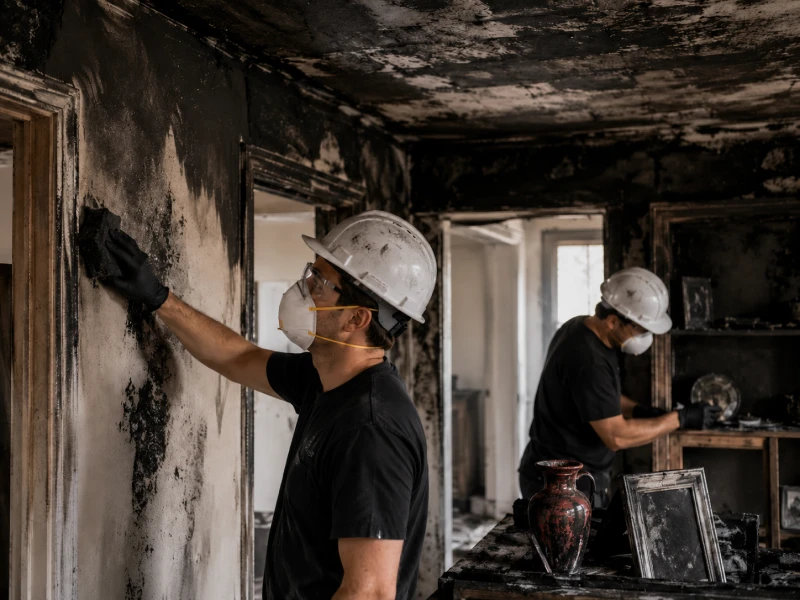
Smoke & Soot Cleaning
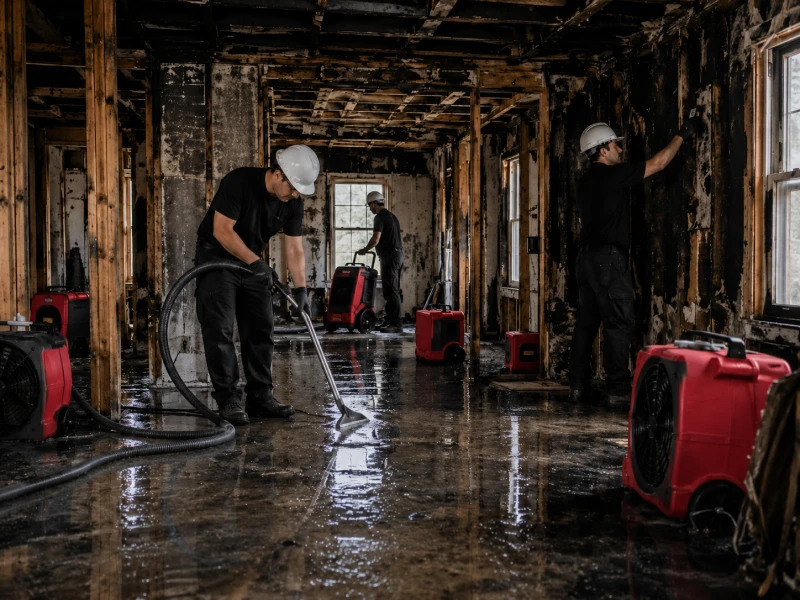
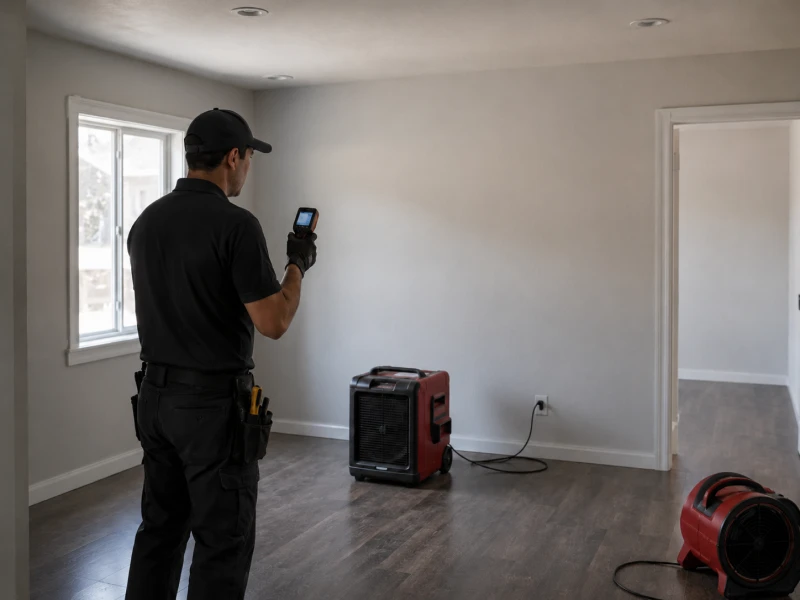
Water Extraction & Drying
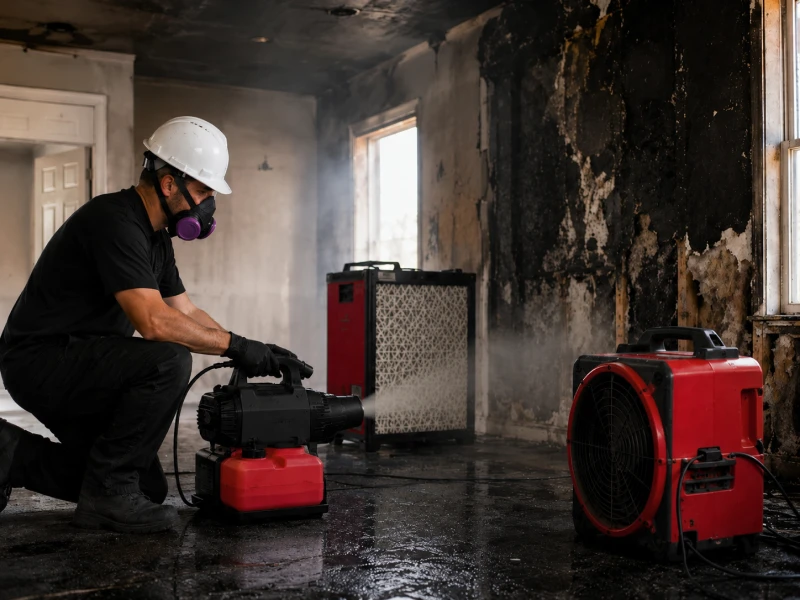
Odor Elimination
Structural Assessment & Debris Removal
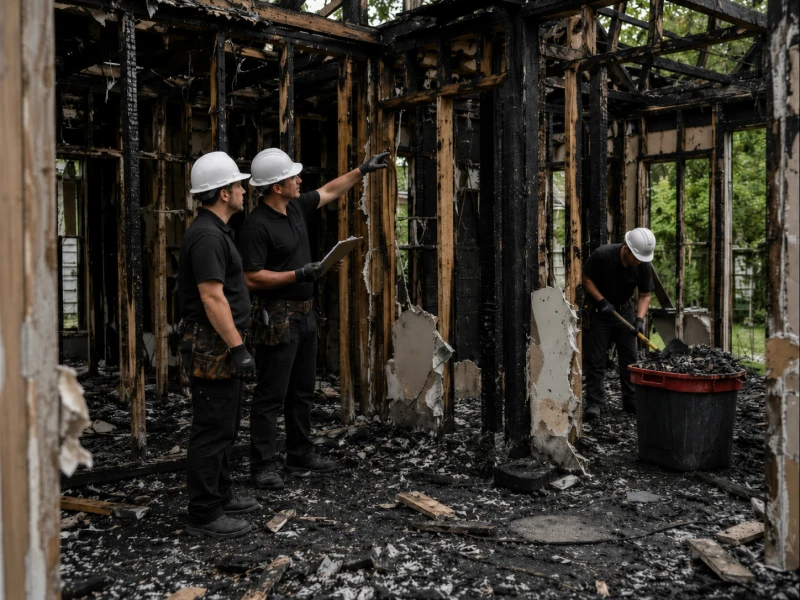
Final Deodorization & Clearance
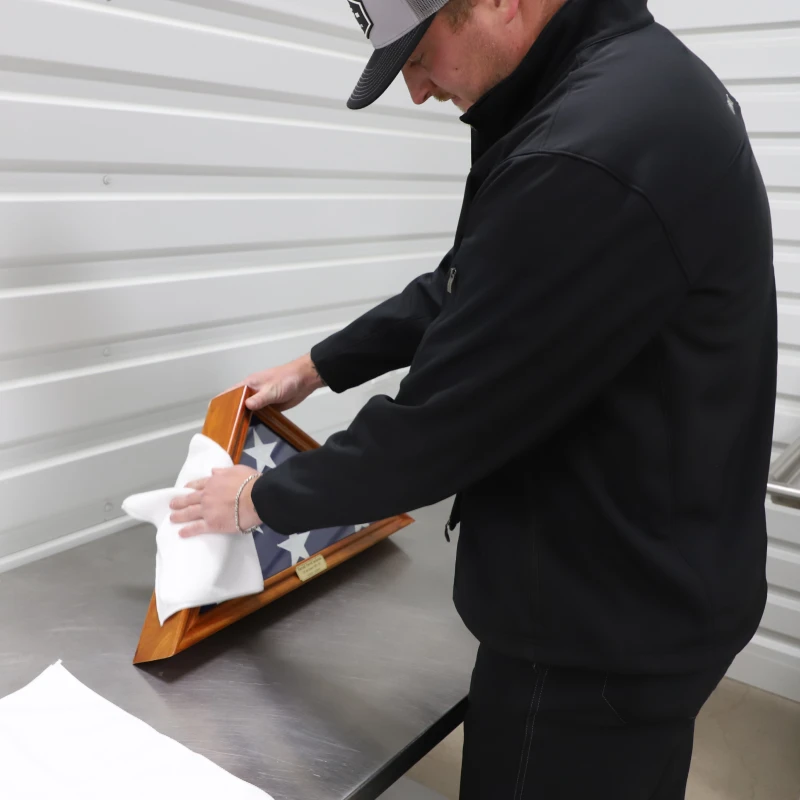
Contents Cleaning & Pack-Out
We don’t just restore structures. We restore the things inside them.
After water damage, fire, smoke, or other major loss, the hardest part for many families isn’t the drywall or flooring — it’s the personal belongings inside the home. Furniture. Photographs. Keepsakes. Clothing. Electronics. Family items that can’t simply be replaced.
When needed, our team carefully inventories, packs, removes, cleans, and restores salvageable contents at our dedicated restoration facility. Once the structure is ready, those items are returned to the home safely and professionally.
This process allows us to:
- Protect belongings from additional damage during structural drying and demolition
- Professionally clean and deodorize smoke- or water-affected contents
- Restore items that many people assume are lost
- Create a more organized and manageable restoration process for homeowners and families
We understand these situations are overwhelming. Our goal is to reduce the chaos, protect what matters most, and help people move forward through the restoration process with as little additional stress as possible.
Our process
From first call to restored structure — here's exactly what to expect..
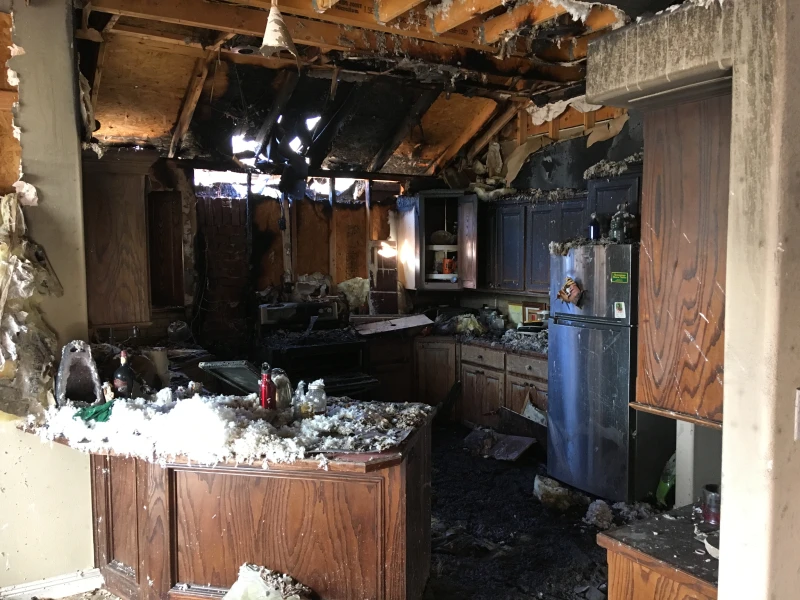
You call. We arrive. Full assessment of the fire origin, smoke travel, water damage, and structural condition — with documentation beginning immediately.
Board-up, tarping, water extraction, and structural securing as needed to protect the property from further damage.
Systematic surface-by-surface cleaning throughout the full affected area — including rooms that had no visible flames but received smoke. Soot type is identified and the appropriate cleaning method applied.
Firefighting water is addressed with industrial extraction and drying equipment — preventing secondary mold in the moisture-affected areas.
Professional deodorization throughout the affected structure. HVAC system inspected and cleaned. Thermal fogging, hydroxyl treatment, or other odor elimination methods applied based on the severity and scope.
Contents inventoried, photographed, and assessed. Cleanable items cleaned on-site or packed out to a cleaning facility. Non-salvageable items documented for insurance purposes.
Final assessment of what needs repair vs. replacement. Coordination with CT Construction for the rebuild — one company through the full project.
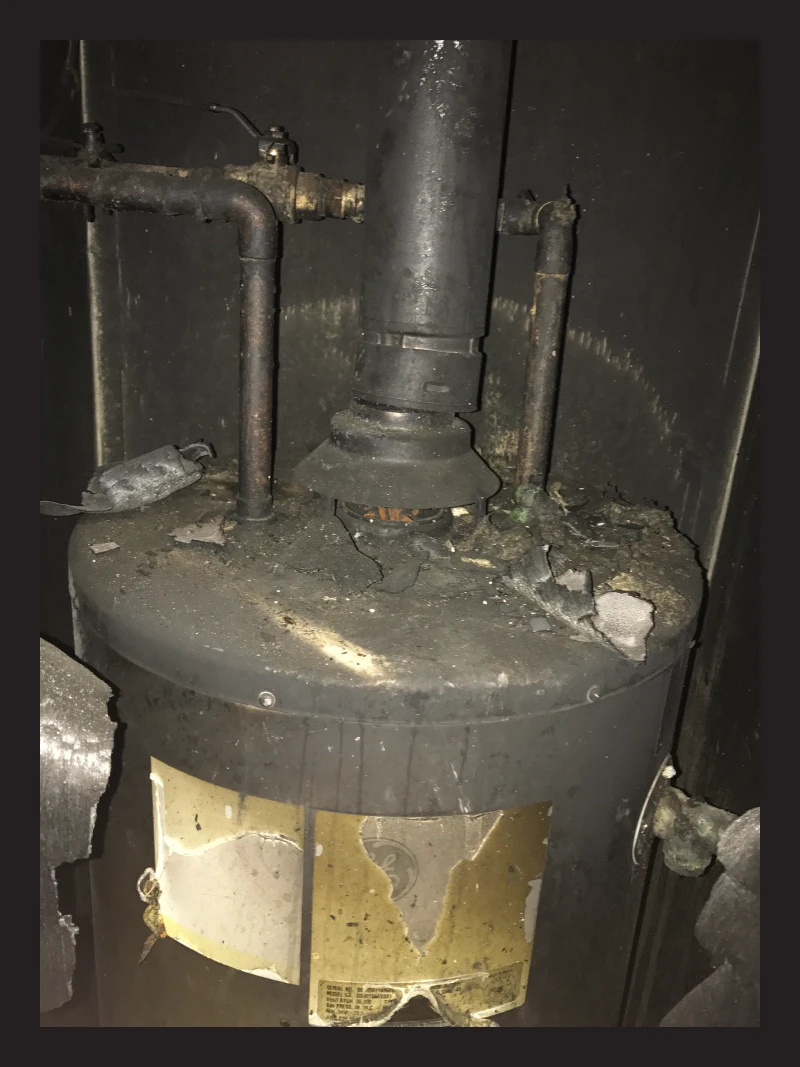
Soot keeps causing damage after the fire is out.
Smoke residue is acidic. On metals — appliances, fixtures, hardware, electronics — soot begins causing corrosion and pitting within hours. Chrome and brass discolor quickly. Synthetic surfaces develop permanent etching. Fabrics and soft goods absorb odor compounds that become harder to remove the longer they sit.Every hour between the fire and the start of professional restoration is an hour of continued damage on every affected surface throughout the structure. Items that could be saved if addressed immediately may not be salvageable by the end of the week.