

Our process
From the power down to the reassembly and testing — here's exactly what to expect.
Electricity to the exhaust fan is turned off before any work begins.
The fan cover or grille is carefully removed and cleaned separately.
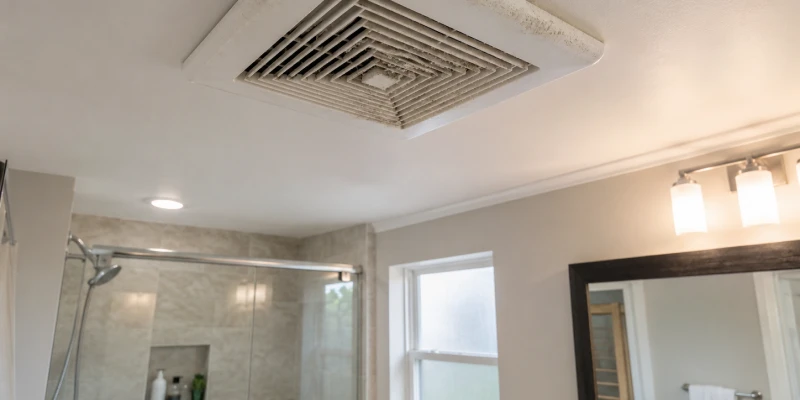
The fan blades and motor housing are cleaned of accumulated lint, dust, hair, and debris. For bathroom fans, we check for any moisture damage or mold in the fan housing.
Using professional brushes and vacuum equipment, we clean the full duct run from the fan to the exterior — removing the accumulated debris that restricts airflow throughout the line.
The exterior termination cap is inspected for blockage, damage, and proper operation. A cap that doesn't open freely when the fan runs restricts airflow just as much as debris inside the duct.
We confirm the exhaust exits to the outside — not into an attic or crawl space.
The cover is reinstalled and the fan is powered back on. We test airflow to confirm the cleaning has restored proper performance.
Vent Types We Clean
Every exhaust point in your home or building.
Bathroom
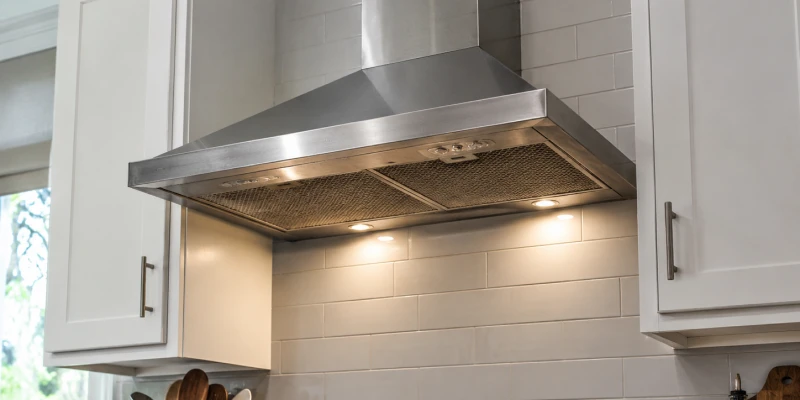
Kitchen
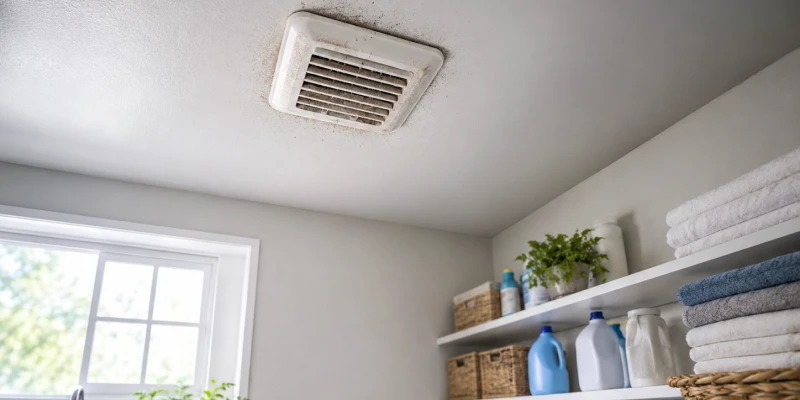
Laundry room
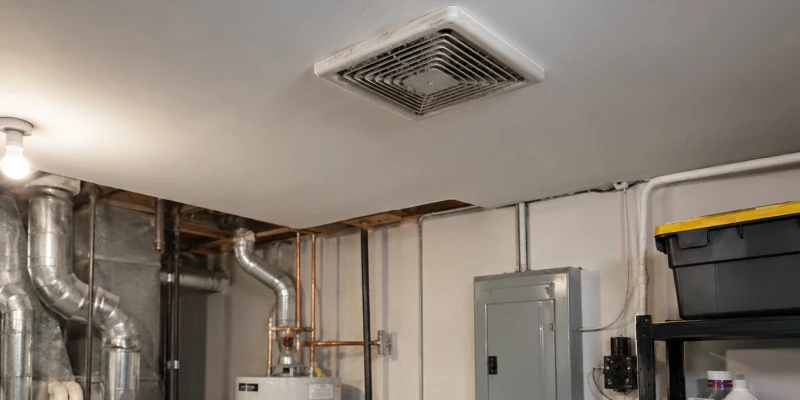
Utility room
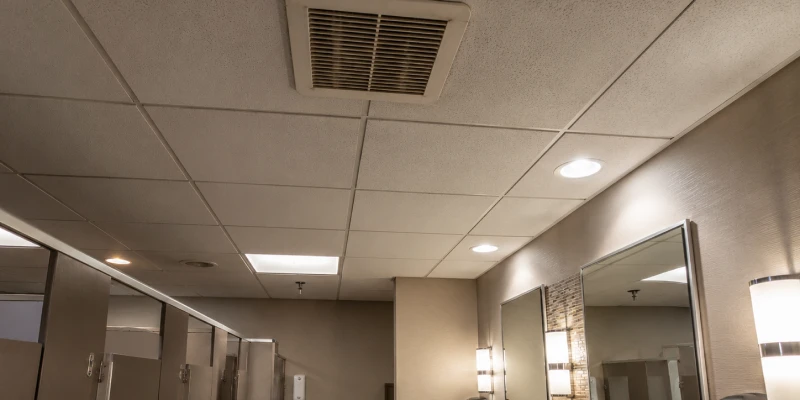
Commercial