
6 minute read
If you’re unsure about the type of hardwood flooring you have, don’t worry—there are several simple ways to identify it! Hardwood floors vary widely, from solid hardwood to engineered wood and even laminate flooring that mimics the appearance of wood. The key is to look closely at features like the wood grain pattern, color, and finish of your floor. For a quick determination, solid hardwood will typically feel thicker and can be sanded or refinished multiple times, while engineered wood has a layered construction and laminate is often thinner with a protective, plastic-like finish.
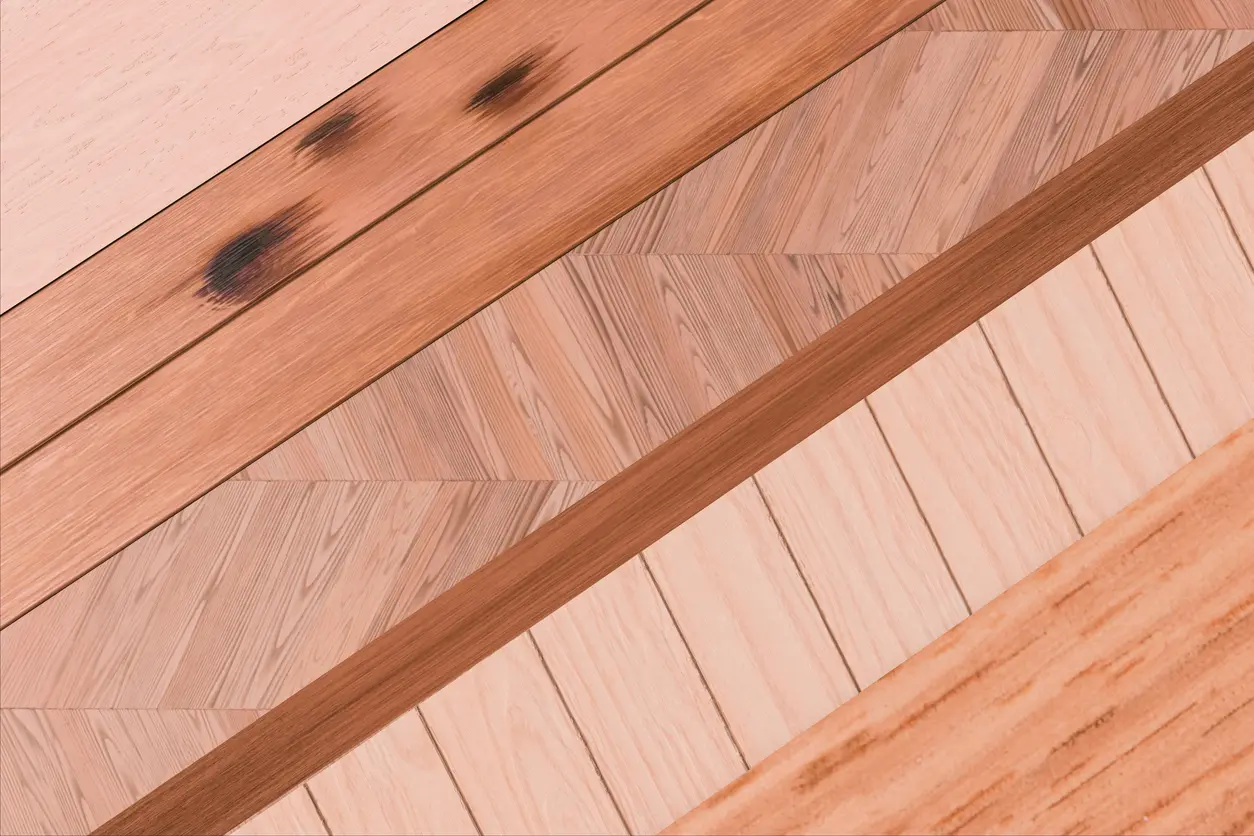
In this guide, we’ll dive deeper into these features, discuss popular wood species and types, and help you distinguish between solid and engineered hardwood floors. By the end, you’ll have a better understanding of what you’re working with and how to care for it properly. Let’s get started with the basics of identifying your hardwood floor!
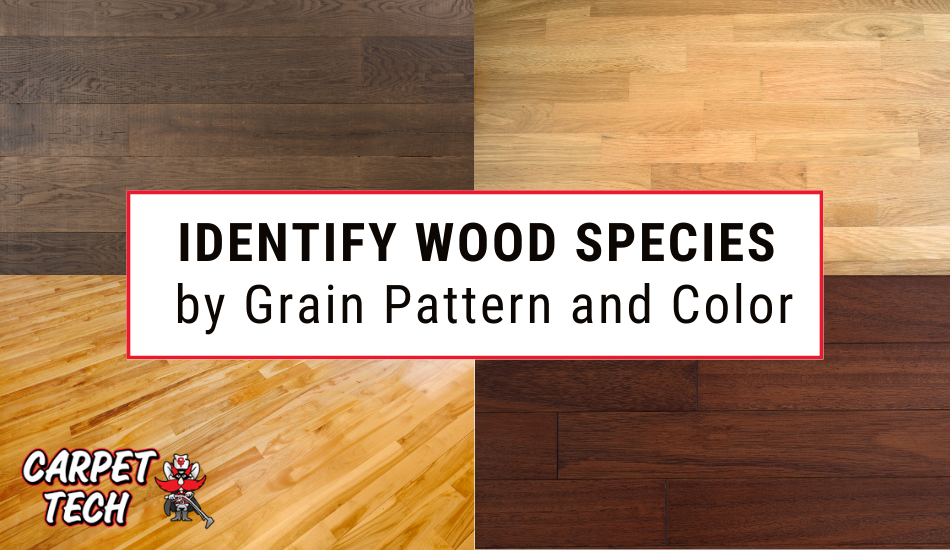
Knowing the wood species of your hardwood floor is one of the first steps in identifying it accurately. Different types of wood have distinct grain patterns and color variations that make them unique, so a closer look can reveal a lot about what you have. Here’s a guide to some of the most common types of wood species used in hardwood flooring:
By examining the color, grain pattern, and texture of your floor, you can get closer to identifying the wood species. Next, let’s move on to distinguishing between solid hardwood, engineered wood, and laminate flooring.
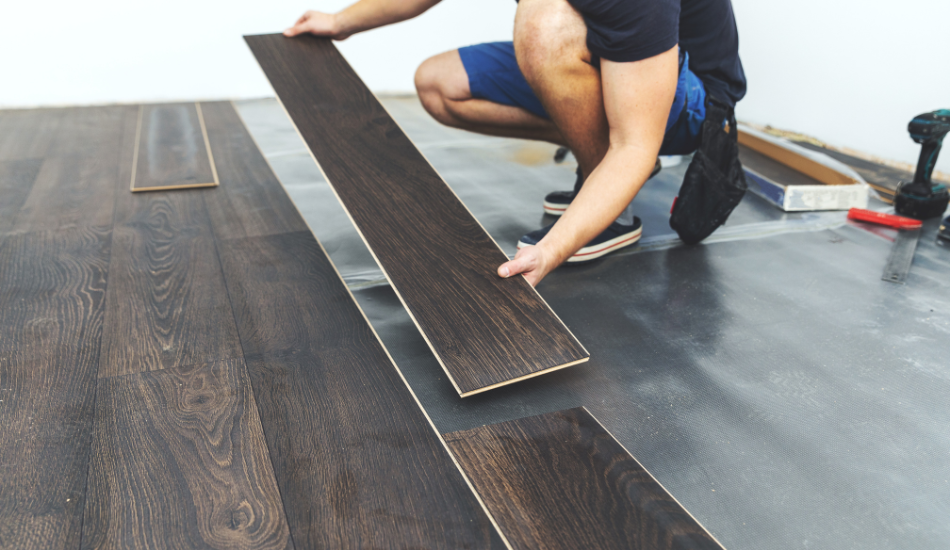
Understanding the structural differences between solid hardwood, engineered hardwood, and laminate flooring can help you correctly identify your flooring type. Each of these has unique features that impact its appearance, durability, and maintenance needs.
To tell which one you have, look at the edges of the planks or boards in an inconspicuous area. Solid hardwood will look like a solid piece of wood, while engineered wood will reveal layers, and laminate will appear as compressed material with a decorative top layer. Identifying these differences will help you understand how to care for and maintain your floor for lasting quality.
Next, let’s explore how to recognize specific hardwood types in high-traffic and moisture-prone areas.
Some hardwood floors are more suited to high-traffic areas or spaces with increased moisture, like kitchens and bathrooms. Recognizing the wood type and knowing how it responds to these conditions can help you keep it in great shape over time.
In spaces like hallways, living rooms, or entryways, you’ll need hardwood that withstands everyday wear. Look for woods with a durable finish—typically harder woods, such as red oak or white oak, which are excellent in high-traffic settings. Softwood floors, like pine, may show scratches and dents more easily and might not be the best choice for such areas. If your wood has a matte or satin finish, it’s likely designed for resilience and to hide minor scuffs, making it ideal for busier rooms.
For rooms with higher moisture content, like bathrooms, kitchens, or basements, consider engineered hardwood. The layered construction of engineered floors provides greater stability in fluctuating humidity, helping to prevent warping. To identify engineered wood in a moisture-prone area, look for a layered cross-section in an inconspicuous spot. Solid hardwood, while beautiful, can be more susceptible to water damage and may not be ideal in these areas unless properly sealed and maintained.
By selecting and understanding the right wood type and finish for these specific areas, you’ll maximize your floor’s durability and appearance. Let’s wrap up with why a professional can help ensure your flooring stays in top condition.
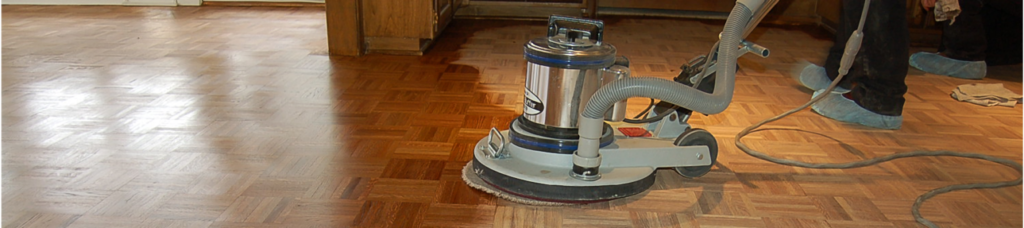
Identifying your hardwood floor type is essential, but proper care and maintenance are what truly keep it looking beautiful over time. Consulting a professional cleaning company can help preserve and enhance your floors, especially if you’re unsure about the best methods for your specific hardwood type.
Professional cleaners can assess the condition of your floors—whether red oak, white oak, or an exotic species—and use specialized cleaning methods that respect each wood’s unique characteristics. Advanced services, like dust-contained refinishing, allow for sanding, staining, and sealing without creating a mess in your home, effectively restoring your floors’ beauty while keeping your space clean.
With the right professional care, your hardwood floors will remain a stunning, long-lasting feature in your home, protected from moisture, scuffs, and wear.